
Introduction
Picture this: someone is scrolling through erotic stories and pauses on a scene with bondage, power exchange, or spanking. Their pulse jumps, there is a sharp spark of interest, and then a wave of shame. That mix of desire and self-doubt sits at the center of The Psychology Of Kink: How To Safely Explore Your Deepest Fantasies.
Research suggests that many adults have sexual fantasies involving power dynamics, role play, or other so-called “unusual” themes. Yet most people grow up hearing that “good sex” is soft, loving, and very standard. When kink shows up in the mind, it can feel like proof that something is broken. Thoughts such as “Am I sick?” or “What is wrong with me?” are far more common than most people admit.
Kink, by itself, is a natural part of human sexual variety. It does not automatically mean someone is damaged, dangerous, or marked by trauma. Like any intense experience, it can cause harm if people ignore consent or safety, but with the right frame it can be caring, playful, and deeply connecting.
“Desire is rarely polite or simple, and that does not make it wrong.” — Saying often repeated by sex therapists
In this guide, we look at how kinks and fetishes develop, how kink can support healing and growth, and how to check emotional readiness. We also walk through the three pillars of safe play, explore power dynamics, and offer first steps for real‑life experimentation. Throughout, we draw on the structured approach used at BDSM Website, where fantasies and paraphilias are sorted in a clear, non‑judgmental way.
Key Takeaways
- Kink and fetish are common. They sit on a wide spectrum of normal sexuality. Feeling curious about bondage, power games, or intense sensation does not mean someone is broken or unsafe.
- Safety rests on three pillars. Enthusiastic consent, honest communication, and thoughtful aftercare work together to keep intense play grounded and enjoyable.
- Self-reflection matters. Looking at beliefs about sex, emotional needs, and mental health helps people choose partners and scenes that fit, rather than using kink only to escape difficult feelings.
- Education is protection. Learning about specific practices, risks, and psychological dynamics gives people more control and confidence. BDSM Website offers guides, consent tools, and community resources to support informed exploration.
Understanding Kink And Fetish: Clearing Up The Confusion
When people first read about non‑standard sex, the words kink and fetish often appear side by side. Many sites treat them as if they mean the same thing, which can add to confusion and shame. Getting clear on the difference makes it easier to describe personal experiences and talk with partners.
- Kink is a broad term for any consensual sexual or intimate interest that falls outside what a culture labels “normal.” It can include bondage, spanking, dominance and submission, role play, medical play, pet play, and more. Arousal can move between themes: one day the main draw might be power exchange, another day impact play or a certain script.
- Fetish is narrower and more fixed. Arousal depends strongly on a particular object, body part, material, or situation. Without that element, sexual excitement may be weak or absent. For example, someone with a shoe fetish might find the shoes themselves more arousing than the person wearing them.
The key difference is how tightly focused the turn‑on is. Kink is like a wide field of non‑standard interests that can shift over time. A fetish is more like a spotlight on one main stimulus that often needs to be present. Both are normal variations in sexual wiring, not signs of illness by themselves.
At BDSM Website, fantasies and paraphilias are organized in a structured system. This helps people see whether what they feel lines up more with broad kink interests, a specific fetish, or some mix of both, and then find targeted educational material.
The Psychology Behind Kink: Why We Desire What We Desire

People often ask where kink “comes from” and expect a simple answer. Pop culture tends to blame trauma, bad parenting, or being “messed up.” Research and clinical work paint a different picture. Kinky interests tend to appear along two main paths, and both can be healthy when paired with consent and self-awareness.
The Innate Pathway: When Kink Emerges Early
Some people notice hints of kink long before puberty. Childhood games involving capture, restraint, or mock danger may have felt strangely intense. Scenes in cartoons or action shows where a hero was tied up or overpowered might have stood out.
As puberty begins, those themes can take on a sexual charge. A young person may realize that thoughts of bondage, discipline, or power play create more excitement than the standard kissing scenes everyone else talks about. Without good information, this can feel scary and isolating.
Many later describe a phase of intense online searching and relief when they discover words like BDSM, submissive, or dominant, and find adults describing similar feelings. When families, peers, or professionals respond with shame, people often push these desires underground, which can feed anxiety or depression. When the early path is accepted instead, kink becomes just one way their sexuality developed.
The Acquired Pathway: Discovering Kink Through Adult Exploration
Others do not notice kink themes until adulthood. They may follow standard sexual scripts for years, then start wondering what else could feel good. A new partner, erotic media, or boredom with routine sex can spark curiosity about restraint, power exchange, or intense sensation.
Someone might begin with mild role play and realize that being in charge or giving up control feels unexpectedly satisfying. Or they might buy a simple toy and find that pressure, impact, or specific textures light them up. Over time, experiments settle into clear preferences that feel just as real as early‑formed kinks.
Life events can contribute too. A person who carries heavy responsibility at work may find deep relief in submissive roles. Someone who has grown more confident may feel drawn to dominance. At BDSM Website, we meet people on both paths and offer psychological background that respects each route.
Kink As A Tool For Healing And Personal Growth
There is a stubborn myth that trauma creates kink. A more accurate view is that some people with trauma histories use consensual kink to work with difficult experiences. Kink does not have to be about healing, yet it can offer a structured way to regain control, face triggers with support, and learn more about personal needs.
“When power is given, not taken, it can become a source of healing.” — Guiding idea in trauma‑informed kink education
For this to help rather than harm, play needs clear consent, careful planning, and strong emotional support. When those pieces are present, scenes that echo past themes can feel completely different from the inside.
Processing Trauma Through Consensual Power Dynamics
Imagine a survivor of sexual assault who feels haunted by helplessness. With a trusted partner, this person might choose to explore very light restraint or role play that touches gently on those themes. Before anything happens, they agree on what is allowed, what is off‑limits, and which signals will pause or stop the scene.
During play, the survivor remains in charge, even in a submissive role. They know a safeword will stop everything. They can move toward and away from triggers in small steps. Their partner follows the agreement closely and checks in as needed.
When this goes well, the inner story shifts from “I had no control” to “I chose this, and I can stop it.” Feelings of strength and pride can start to replace pure fear. Working with a kink‑aware therapist is wise when mixing trauma processing and BDSM. BDSM Website offers consent guides and trauma‑informed safety tips that can support those conversations.
Self-Discovery Through Fantasy Exploration
Kink can also act as a mirror for parts of the self that rarely surface elsewhere. Fantasies often highlight needs for care, control, attention, risk, or surrender.
A simple method is to keep a private journal about fantasies and real scenes. After an encounter, someone might write:
- What felt especially exciting
- What felt uncomfortable
- What they wish had happened differently
Patterns soon stand out. Certain roles or words may repeat, or some emotions show up every time. Treating these notes as information rather than evidence of shame helps people feel calmer and more accepting. BDSM Website includes prompts and frameworks for this kind of self-study.
Assessing Your Readiness: The Essential Work Before You Play
Before buying rope, toys, or outfits, it helps to look inward. Kink is not just a set of techniques; it is an emotional and mental experience. Being honest about personal values, goals, and limits can prevent confusion and regret later.
Two big areas matter here:
- Your sexual philosophy — how you see sex in general
- Your emotional readiness — how steady you feel when facing intense sensations and power games
Discovering Your Sexual Philosophy
Sex means different things to different people. For some, it is mostly physical release. For others, it is deeply tied to love and long‑term bonds. Many people land somewhere in between.
It can help to sit with statements like:
- “Casual sex can be okay for me.”
- “Sex feels best inside a committed relationship.”
- “I can enjoy sex without strong emotional attachment.”
- “Sex should be playful and focused on shared pleasure.”
Writing about these ideas or talking them through with a trusted friend can bring hidden beliefs to the surface. Someone who sees sex as very intimate may prefer to explore kink only with long‑term partners. Someone comfortable with casual sex might be open to vetted community spaces. BDSM Website offers non‑judgmental guidance for many relationship styles, from monogamous couples to solo explorers.
Evaluating Your Emotional Readiness
Emotional stability is as important as physical safety. Intense scenes can stir up sadness, anger, joy, or shame. Before diving in, ask whether the urge to explore comes more from curiosity and desire, or mainly from a wish to numb pain.
Useful questions include:
- “Can I explain my limits clearly?”
- “Do I believe my limits deserve respect?”
- “Do I have support (friends, community, therapist) if something shakes me up?”
Seeking therapy or support before or during kink exploration is a sign of care, not weakness. Many people find that building emotional skills leads to better scenes and more satisfying sex. BDSM Website offers education and community spaces that help people build this base.
The Three Pillars Of Safe Exploration: Consent, Communication, And Aftercare

Kink can involve strong sensations and serious power differences. What keeps it ethical and pleasurable is less what happens and more how it happens. Over time, communities have settled on three main pillars for safe play: enthusiastic consent, clear communication, and aftercare.
“Safe, sane, and consensual” has long been a core motto in many BDSM circles.
Pillar One—Enthusiastic And Ongoing Consent
In kink, consent is more than a quick “yes.” Everyone involved understands what is planned, genuinely wants it, and knows they can change their mind at any time. Because many scenes imitate uneven power, explicit consent matters even more than in standard sex.
People usually talk through activities ahead of time, describe what they do and do not want, and agree on safewords or signals. During the scene, partners check in to confirm that “yes” is still present. Seeing consent as part of pleasure, not just a legal shield, lets people relax and go deeper. BDSM Website provides detailed guides on consent systems for many relationship styles.
Pillar Two—Clear Communication And Boundary Negotiation
Good communication is the engine of safe kink. Before any rope or orders, partners discuss:
- Hard limits (strict no‑go areas)
- Soft limits (“maybe under the right conditions”)
- Edges (places they might want to flirt with but are unsure about)
Many use a traffic‑light system during play: green for “keep going,” yellow for “slow or adjust,” red for “stop now.” For scenes with gags or hoods, people agree on physical signals such as dropping an object.
Afterward, a short debrief allows everyone to share what worked and what did not. BDSM Website offers sample negotiation checklists and debrief questions readers can adapt.
Pillar Three—The Practice Of Aftercare

Aftercare is the time after intense play when partners help each other come back to everyday life. A scene can leave people flooded with hormones or tender feelings, and that shift needs care.
Common aftercare activities include:
- Cuddling or quiet physical closeness
- Blankets, water, and snacks
- Gentle conversation about the scene
- Time alone, if that is what someone prefers
Dominant partners need aftercare too, even if they looked powerful during the scene. On BDSM Website, readers can find ideas for aftercare plans that match their roles and emotional styles.
Building Your Knowledge Foundation: Education As Safety
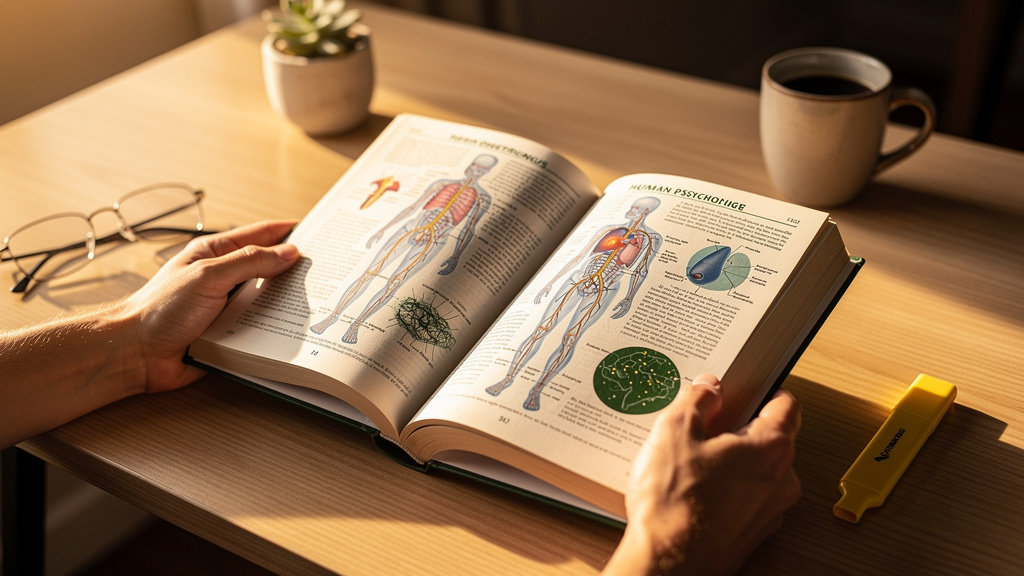
Kink is an area where “winging it” can cause real harm. Many practices affect blood flow, nerves, breathing, and mental state. The more people understand the physical and psychological sides of what they are doing, the safer and more satisfying their play becomes.
Before trying rope bondage, impact play, choking simulations, or intense humiliation, it helps to study:
- Basic anatomy and nerve pathways
- Safe striking zones and unsafe areas
- Signs of panic, dissociation, or flashbacks
- Simple first aid and when to seek medical help
Porn rarely shows any of this. It often skips consent talks, safety checks, and realistic recovery. Treating porn as a how‑to manual sets people up for painful surprises. Books, workshops, online classes, and teaching articles from kink‑aware educators are a better base.
BDSM Website is built around this idea. Content is organized by practice, fetish, and psychological theme, with clear links to risk information and safety skills. We also cover warning signs in potential partners, such as ignoring limits or laughing at safewords. Studying together with a partner can even become part of foreplay.
Taking Your First Steps: Practical Guidance For Beginning Exploration
Once inner work and basic learning are in place, many people feel ready to try something in real life. That first move can still feel intimidating. New explorers often worry about doing it “right” or not being “kinky enough.” Starting small is both wise and perfectly valid.
Low‑risk activities are a good way to test comfort levels:
- Soft sensory play with ice, feathers, silk, or textured gloves
- Light bondage with wide fabric ties or cuffs that release quickly
- Verbal dominance and submission, such as gentle orders or asking permission
Solo exploration matters too. Reading erotic fiction, watching educational videos, and writing fantasies can clarify what someone actually wants to try. Using toys alone — blindfolds, vibrators, simple restraints — lets people notice their responses without pressure.
Creating a personal “yes, no, maybe” list is a concrete tool here. Writing down clear yes items, firm no items, and mixed‑feeling items helps guide talks with partners. Keeping a brief log after each scene (what felt good, what felt off, how you felt the next day) supports wiser choices over time. BDSM Website encourages this slow, reflective start and offers community spaces for comparing notes without judgment.
Understanding The Psychological Dynamics Of Power Exchange
BDSM roles are often reduced to cartoons: cold, controlling dominants and weak, damaged submissives, but psychological characteristics of BDSM practitioners reveal that real-life power exchange is far more varied and people choose roles because those roles meet real emotional needs and express parts of their identity. Real‑life power exchange is far more varied. People choose roles because those roles meet real emotional needs and express parts of their identity.
For many in dominant roles, the appeal lies in direction and responsibility. They enjoy designing scenes, setting the pace, and reading a partner’s reactions. Knowing that someone has chosen to trust them can feel deeply affirming. Many take pride in creating scenes that fit a partner’s tastes while staying within limits.
Submissive or bottom roles often attract people who carry heavy responsibility elsewhere. Handing decisions to someone trusted, for a set time, can bring relief and a focused, almost meditative state. Being guided, praised, or even punished within a clear consent frame can feel like intense care.
Some people enjoy both ends of the power spectrum at different times. These “switches” may take the lead in one scene and surrender in the next, gaining empathy and insight from having stood on both sides.
It is also important to distinguish BDSM from non‑suicidal self‑injury. While both can involve pain, self‑injury is usually driven by an urge to escape overwhelming emotion and tends to leave people feeling empty or ashamed. In healthy BDSM, the intensity is wanted and requested, and participants usually report feeling calm, satisfied, and closer to partners afterward. BDSM Website offers more detail on these patterns to help readers clarify their motivations.
The Kink Community: Finding Support And Connection
Kink does not have to stay a secret between one person and their browser. Around the world, there are communities of people interested in BDSM and related practices. These spaces can be rich sources of education, support, and friendship.
Local groups often organize “munches,” which are casual meetups in public places. People attend in everyday clothes, use first names or scene names, and simply talk. Workshops on rope, consent, medical risk, or relationship skills are also common, as are supervised play events.
Online forums, chat groups, and kink‑focused platforms give access to community even in small towns. These spaces can be especially affirming for LGBTQ+, trans, and gender‑nonconforming people. Attention to consent, chosen names, pronouns, and body diversity creates room to explore without the usual social pressure.
Healthy communities tend to:
- Be open about their rules
- Take reports of consent violations seriously
- Welcome questions from newcomers
Warning signs include leaders dismissing reports of harm, people mocking safewords, or pressure for sexual activity right away. Trusting your instincts and walking away from bad fits is part of staying safe.
BDSM Website contributes by offering moderated online community resources focused on structured knowledge, safety, and inclusion. People can ask taboo questions and hear from others with similar experiences.
Conclusion
Kinky thoughts and fantasies are not rare glitches in human design. They are one of many ways desire can organize itself. When people understand The Psychology Of Kink: How To Safely Explore Your Deepest Fantasies, shame often loosens and space opens for careful, honest play.
Safe exploration begins with self‑knowledge: clarifying sexual philosophy, checking emotional readiness, and learning the basics of risk and anatomy. On top of that base sit three pillars that keep kink ethical and satisfying: enthusiastic consent, clear communication with real limits, and thoughtful aftercare. From there, people can start small, notice their responses, and adjust as they go.
There is no race and no required level of intensity. Exploration should feel curious, grounded, and pleasurable rather than pressured. BDSM Website supports this process with organized educational content, safety guides, and community spaces where no one is shamed for their fantasies. A simple first step might be reflecting on a favorite fantasy, reading one of our guides about it, or joining a discussion. Desire is valid, safety matters, and with care and courage, deep fantasies can move from secret thoughts into satisfying, consensual reality.
FAQs
Question 1: Is It Normal To Have Kinky Fantasies? Am I Broken Or Sick?
Kinky fantasies are very common and fall within the wide range of human sexual variation. Studies show that many adults have imagined BDSM‑style themes such as bondage, spanking, or power exchange. Having these thoughts does not mean someone is mentally ill or a danger to others. Media stories and pop psychology have spread many false ideas about kink that link it with damage or crime. In reality, fantasies are simply one way the mind organizes desire, and they are not a problem by themselves.
Question 2: How Do I Bring Up My Kinky Interests With My Partner?
Talk about kink in a calm, neutral setting, not in the middle of sex, and consider reviewing couples sex therapy resources that can help frame these conversations in a supportive way. Many people start by sharing curiosity rather than a long list of demands. Phrases such as “I’ve been wondering about trying something a bit more playful in bed,” or “I read an article about BDSM and found part of it exciting,” can open the door. Ask your partner about their interests and listen closely. Sharing educational resources or reading an article from BDSM Website together can move the focus from personal shame to shared learning. If a partner says no to a specific act, that is not the same as rejecting you.
Question 3: What If Something Goes Wrong During A Scene?
Good planning lowers the chance of problems, but mistakes can still happen. If someone uses a safeword or clear stop signal, all activity should end at once, and partners should check on both physical and emotional states. For physical worries, basic first aid skills and access to medical help are important, especially for higher‑risk play. Emotional distress deserves care too — calm talking, grounding techniques, and, if needed, time apart to settle. Later, partners can review what happened and adjust plans. BDSM Website offers safety checklists and troubleshooting guides to support that reflection.
Question 4: How Can I Find Compatible Partners Who Share My Interests?
Meeting people who share kink interests often starts with community spaces. Social events for kink‑interested adults, educational workshops, and moderated online groups let people talk and build trust before any play. Kink‑aware dating apps or profile features can help too, especially when you mention consent and safety as priorities. With new people, notice how they talk about limits, safewords, and past partners. Moving too fast or ignoring bad feelings because someone seems exciting can lead to harm. Building friendship and trust first, then adding play, is usually a steadier path. BDSM Website’s community resources can help you find and assess potential partners with more confidence.
Question 5: What Is The Difference Between Healthy BDSM And Abuse?
Healthy BDSM rests on clear, enthusiastic consent, honest negotiation, and respect for limits. Everyone knows what is planned, everyone feels free to say no, and safewords or stop signals are always honored. Abuse, by contrast, involves pressure, threats, or tricks to get agreement, and often includes ignoring safewords or mocking limits. Statements like “If you loved me, you would do this,” or “Real submissives never say no,” are warning signs. No one should be pushed into cutting off friends or community to keep a partner. BDSM Website provides guides on spotting unsafe dynamics and reminds readers that “it’s just kink” never excuses harm or consent violations.
